


Why Western Red Cedar is the G.O.A.T.

Western Red Cedar: Greatest. Of. All. Time.
Western Red Cedar is a go-to wood choice for outdoor structures and furniture! If you’ve ever gardened in a planter box, sat in a sauna, or had a BBQ on a deck, the best quality versions are made of cedar. But why is it the gold standard? Let's look at the benefits, sustainability, and aesthetics.
What & Where?

Western Red Cedar is grown in the Pacific Northwest and along the Pacific Coast to Alaska. It is durable, beautiful, and environmentally friendly. Important note: many products are labeled simply as "Cedar" but are actually "Chinese Cedar" (which is actually a fir). Chinese Cedar is inferior in resisting decay and weathering compared to authentic Western Red Cedar.
Durable & Resistant

Western Red Cedar is one of the most durable and stable timbers available. It is resistant to warping, shrinking, and cupping. The natural chemicals in the timber help prevent termites, decay, and moisture damage without needing any toxic chemical treatments.
Sustainability: A Greener Choice

Recyclable Material
Western Red Cedar is fully recyclable. Because it is extremely long-lasting, it falls into the “one-time purchase” category, keeping it out of landfills for decades. It can be cleaned, sanded, and repurposed for new projects easily. Plus, untreated cedar is biodegradable and returns to the earth without leaking toxins.
Renewable Resource & Energy Efficiency
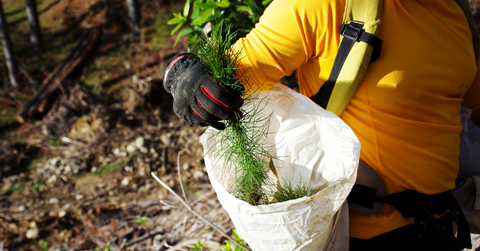
Cedar trees are a renewable resource. In British Columbia alone, over 200 million seedlings are planted annually. For every tree harvested, at least three are replanted. Wood products like cedar require much less energy to obtain and manufacture compared to man-made materials like composite or cement.
Climate-Friendly Carbon Storage

As young trees grow, they remove carbon from the air and store it. When a mature tree is harvested for lumber, that carbon remains trapped in the wood, making it a natural carbon sink. Choosing Western Red Cedar is a vital step in supporting climate-friendly building practices.
Aesthetics and Design

Cedar provides a warmth and timelessness that is a "designer’s dream come true." It is pitch and resin-free, which makes it perfect for all-natural finishes, though its warm tones and crisp grain are breathtaking even without any treatment.


Leave a comment